

The exhibition Making Africa – A continent of contemporary design is showing at the Kunsthal in Rotterdam and I went to see it. The exhibition showcases the diversity of design from the African continent. Or ‘African’ design, as you might be inclined to call it. For my anthropology degree, I researched Ghanaian contemporary art galleries and one of the main themes in the paper was this concept of ‘African’ art. Not just art, but ‘African’ art. Their essence is apparently their Africanness and the work must, therefore, be part of the same theme, lumped together by location. The discussion largely got started with the eighties exhibition in Paris, Magiciens de la Terre, followed by others such as Africa Now or African Remix. Some good parts, some bad parts. But in short, why do some artists need an extra adjective in front their work, when ‘European’ artists like Damian Hirst don’t. Double standards?
The Making Africa exhibition is part of that same category but brings something new. Upon entering you first see Cyrus Karibu’s eye-wear sculptures, which are an apt, albeit slightly obvious, metaphor to take a different view of the African continent. This setup is surrounded by videos, all showing different people – influencers, authors and artists -talking about the concept of African design. As a visitor you cannot continue to think in a single story, you’re confronted with several views right off the bat. Simple and effective.

Created by the German Vitra Design Museum – with curator Okwui Enwezor as their main advisor (he’s all over this field) – they managed to get a great selection together. Of course, there are some familiar names, like Omar Victor Diop’s studio photography, Ikire Jones’ frocks, and Studio R!OT prints (does he still make stuff? Does anyone know?). There are some legends to spot throughout, such as photographers Seydou Keïta and Malick Sidibé or the South African magazine ‘Drum’, which showcased the lives of black 1960s South-Africans very differently from what was shown on the news.
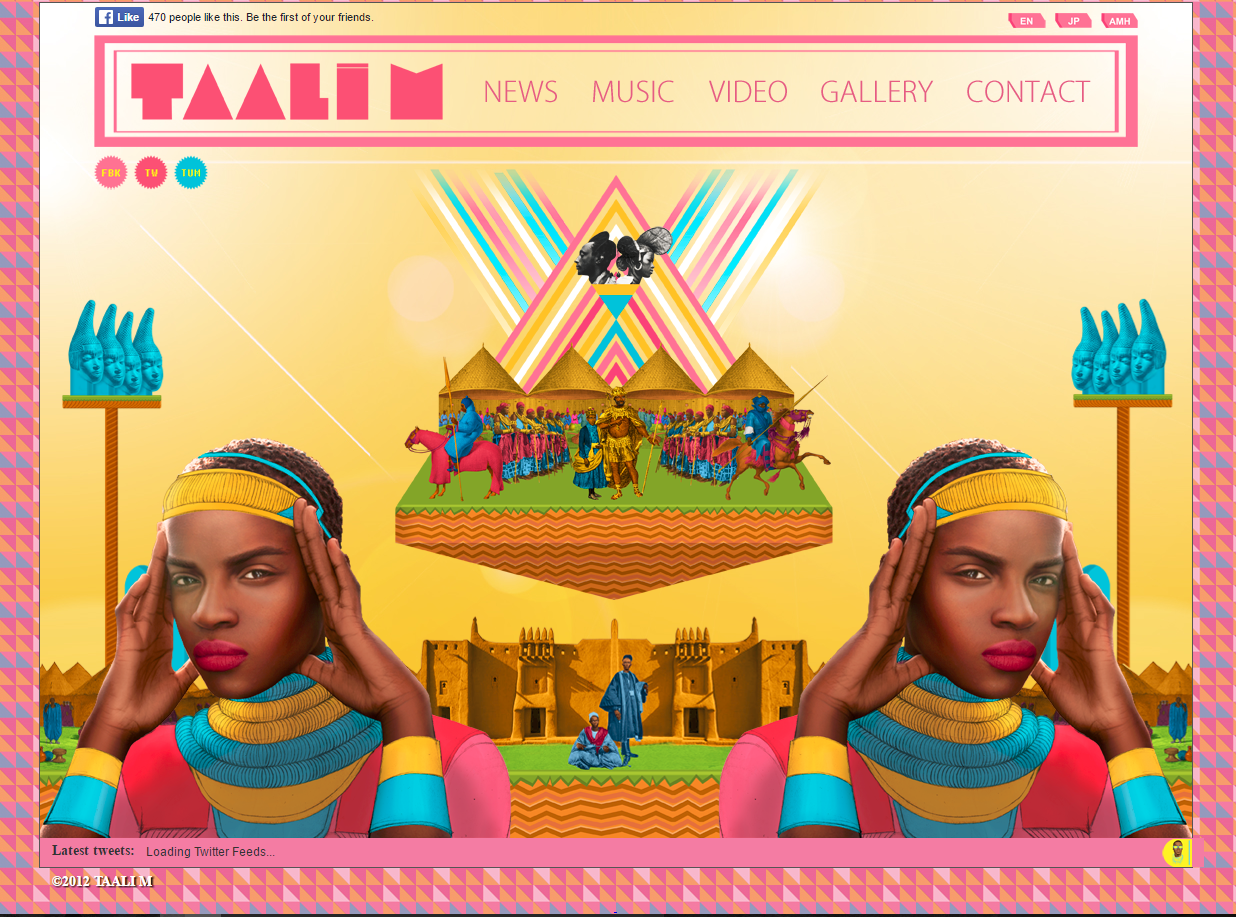
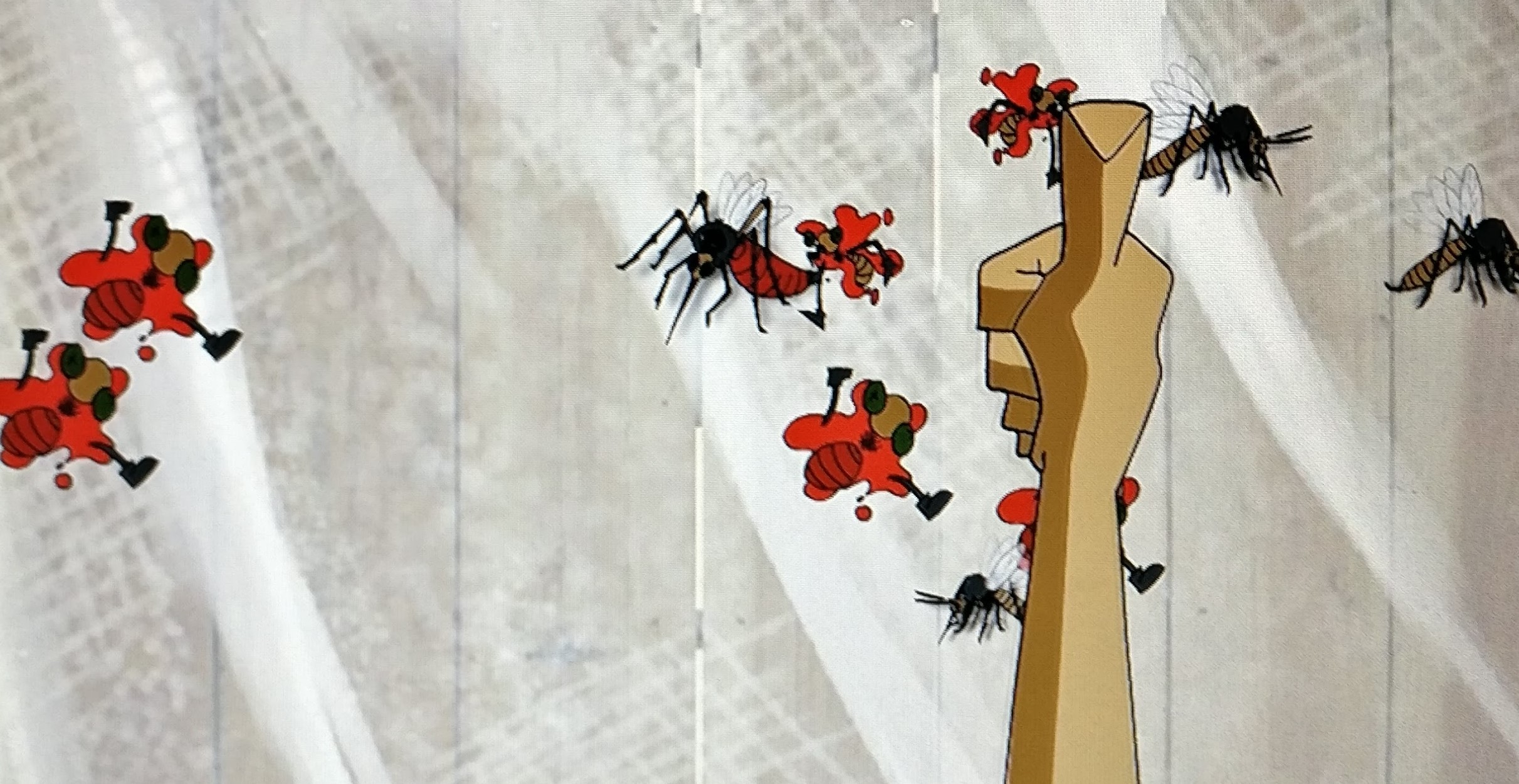
But times have changed since the sixties. The African continent’s newest generation is one of digital natives and a large middle-class. This generation, with a background of DIY, informality and focus on process (Okwui Enwezor’s observations) comes a refreshing break in disciplinary boundaries. That’s what gets us work like that of Robin Rhode (see previous post) with his work in street art/stop-motion, the brightly coloured historically informed pop-art/pop-music website for Taali M or the Maliyo Games’ Mosquito Smasher game.
There are still some battles to be won. The Stedelijk here in Amsterdam still feels the need to add the label “global” for those artists from the non-western world. Though projects like this Making Africa exhibition try to shift the focus, there is still a geographic focus on the continent. The exhibition did, however, make us want to find out what else we’re missing out on. It’s mentioned at the start of the exhibition: by using a geographic demarcation the collection can never be complete. The continent is simply too complex, diverse and large to ever be complete. Instead, maybe let’s forget trying to be complete? Next time I hope to be able to visit thematic – as opposed to geographic – exhibitions at which I’ll recognise a name from this exhibition. I hope I’ll read a plaque which just discusses the relevance of the artist’s work for that theme. Let’s go of the ‘African’ label next time.
 Brain & Guts